

To stand out on LinkedIn, you need to focus on creating content that is relevant, valuable, and engaging. Here are a few content pillars that you can use to create high-quality content that will help you achieve your goals:
- Industry insights: Share your expertise on the latest trends and developments in your industry. This could include articles, blog posts, infographics, or videos that provide valuable insights to your audience.
- Thought leadership: Share your unique perspective on current events, challenges, and opportunities in your industry. This could include articles, blog posts, or videos that encourage discussion and debate.
- Case studies: Share examples of how you have helped clients achieve their goals. This could include case studies, testimonials, or success stories.
- Behind-the-scenes content: Give your audience a glimpse into your company culture and values. This could include photos, videos, or blog posts that showcase your team, your office, or your work environment.
- Personal stories: Share your own experiences and insights. This could include blog posts, videos, or articles that are relevant to your professional journey.
Here are a few tips for creating engaging content on LinkedIn:
- Know your audience. Who are you trying to reach with your content? What are their interests? What are their pain points? By understanding your audience, you can create content that is relevant and valuable to them.
- Be informative. LinkedIn users are looking for content that will help them learn and grow. Provide them with valuable insights, tips, and advice.
- Be engaging. Ask questions, start conversations, and encourage your audience to interact with your content. The more engaged your audience is, the more likely they are to share your content with others.
- Be visual. People are more likely to engage with content that includes images, videos, and infographics. Use visuals to make your content more appealing and memorable.
- Be consistent. The key to success on LinkedIn is to be consistent with your content creation. Create and share new content on a regular basis to keep your audience engaged.
Here are a few things to look out for when creating LinkedIn content:
- Avoid self-promotion. LinkedIn is not a platform for promoting your products or services. Instead, focus on providing valuable content that will interest your audience.
- Don’t be spammy. Avoid posting the same content multiple times or sending unsolicited messages to users.
- Be respectful. LinkedIn is a professional platform, so be sure to maintain a professional tone in your content.
Here are a few types of content that perform well on LinkedIn:
- Articles. Articles are a great way to share your expertise on a particular topic. Be sure to write well-researched and informative articles that will be of interest to your audience.
- Blog posts. Blog posts are a more informal way to share your thoughts and ideas. They are a great way to start conversations and encourage engagement.
- Videos. Videos are a highly engaging form of content. They are a great way to showcase your products or services, or to share your thoughts on a particular topic.
- Infographics. Infographics are a great way to present information in a visually appealing way. They are a great way to share statistics, data, or trends.
- Case studies. Case studies are a great way to demonstrate the value of your products or services. They are a great way to show potential customers how you have helped other businesses achieve their goals.
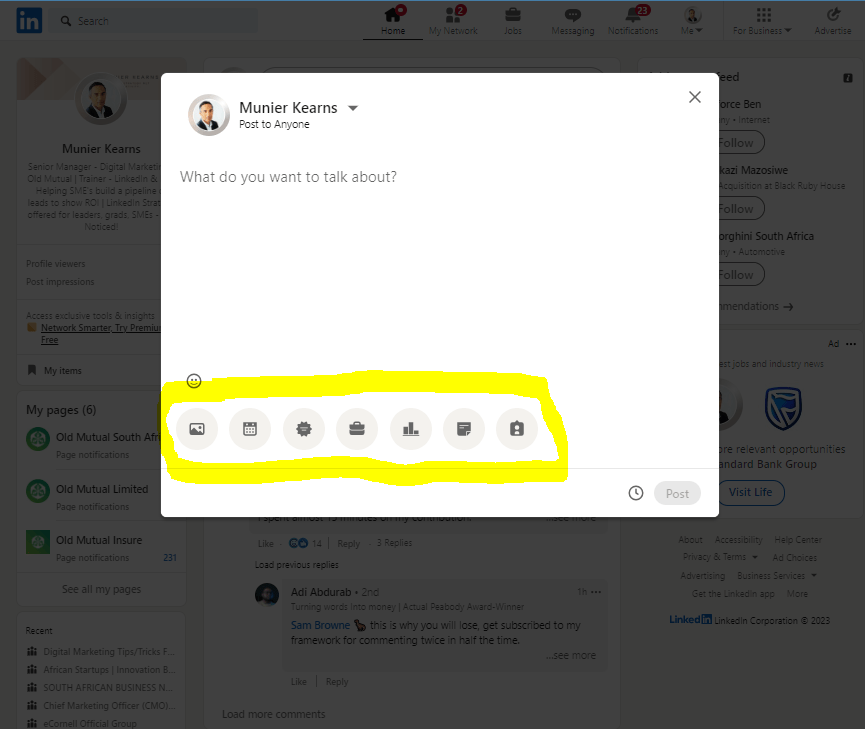
Step 1: Optimize Your LinkedIn Profile (1-2 days):
– Update your profile picture with a high-quality, professional headshot.
– Example: Replace a casual selfie with a professional portrait.
– Craft an engaging headline that reflects your expertise.
– Example: Change “Student” to “Digital Marketing Enthusiast | SEO Specialist.”
– Write a compelling summary highlighting your achievements and aspirations.
– Example: Share specific accomplishments and your vision for the future.
Step 2: Network Strategically (Ongoing):
– Connect with professionals in your industry, especially those who share your interests.
– Example: Search for “digital marketing professionals” and connect with them.
– Send personalized connection requests explaining why you want to connect.
– Example: “I admire your work in digital marketing and would love to connect and learn from you.”
Step 3: Share Valuable Content (3-5 times a week):
– Share industry-specific articles, insights, or success stories.
– Example: Share a recent marketing case study with your thoughts.
– Include relevant hashtags to increase your content’s discoverability.
– Example: #DigitalMarketing #SEO
Step 4: Engage Actively (Ongoing):
– Like, comment, and share posts from your network regularly.
– Example: Comment thoughtfully on a connection’s post about a new marketing tool.
– Participate in relevant groups and discussions.
– Example: Join a digital marketing group and provide insights in discussions.
Step 5: Publish Articles (1-2 times a month):
– Write and share articles on LinkedIn.
– Example: Publish an article about the latest SEO trends with practical tips.
– Use engaging headlines and images to capture attention.
– Example: “Mastering SEO in 2023: Proven Strategies Inside.”
Step 6: Connect with Thought Leaders (Ongoing):
– Follow and engage with industry influencers.
– Example: Follow Neil Patel or Rand Fishkin and comment on their posts.
Step 7: Showcase Your Work (Ongoing):
– Share your projects, achievements, and case studies.
– Example: Post a before-and-after infographic of a successful marketing campaign.

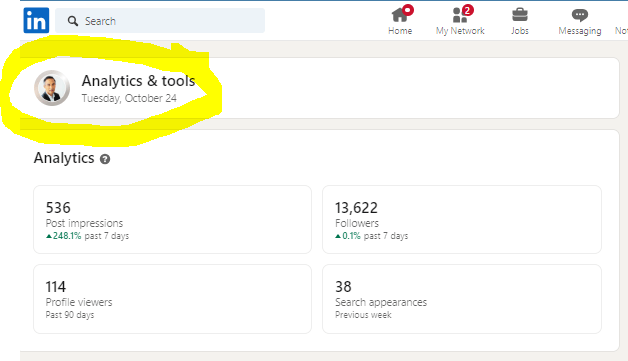
Step 8: Leverage Analytics (Ongoing):
– Regularly analyze your post performance through LinkedIn Analytics.
– Example: Note which types of posts get the most engagement and create more of those.
Step 9: Consistency and Patience (Ongoing):
– Understand that reaching 10,000 followers takes time and consistency.
Step 10: Collaboration (Ongoing):
– Collaborate with peers and colleagues on joint content projects.
– Example: Partner with a fellow marketer to co-create a webinar or eBook.
Step 11: Networking Events (As available):
– Attend and network at industry events and conferences.
– Example: Attend a digital marketing conference and connect with attendees on LinkedIn.
Step 12: Engage in Skill Development (Ongoing):
– Continuously improve your skills and share your learning journey.
– Example: Take an advanced SEO course and post updates about your progress.
Remember, the key to success on LinkedIn is to provide value, be authentic, and interact with your network genuinely. Over time, as you build a reputation for sharing valuable insights and networking effectively, your follower count should steadily grow towards your 10,000 goal.
Shout if you need help!
 digital-dynasty.co.za
Leave a comment